KueIt Features
The go-to audio sampler soundboard app for DJs and live performers

Uniquely designed audio sampler app for your sound effects, audio drops & jingles
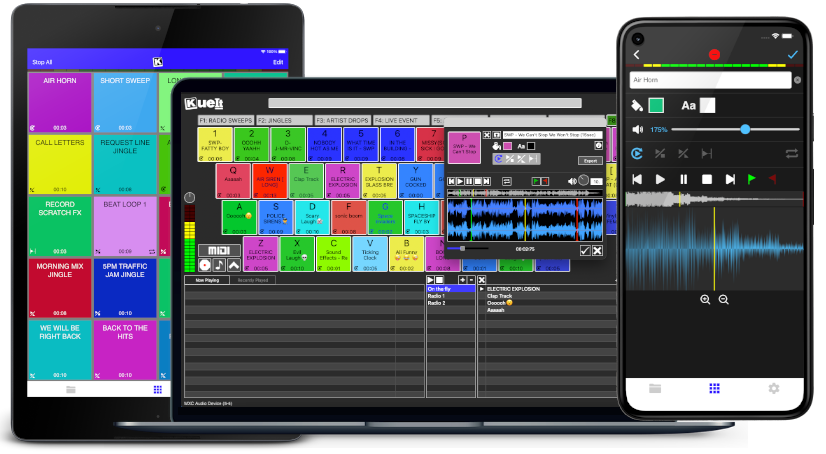
The DJ soundboard app is available for macOS, Windows, the App Store & Google Play
30 day money back guarantee for desktop and 7 day FREE trial for mobile devices!!!
KueIt DJ sound effects app can be used in many settings
Replace large bulky machines with this cost-effective DJ soundboard app
KueIt audio sampler app allows you to play all your drops, jingles, and sound effects
Performers, arm yourself with an arsenal of audio files at your fingertips with a handy DJ soundboard app
Instantly trigger the appropriate sound for the big play straight from your computer or mobile device
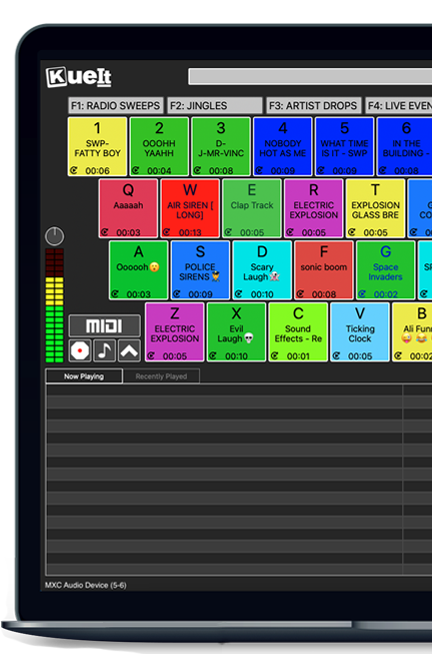
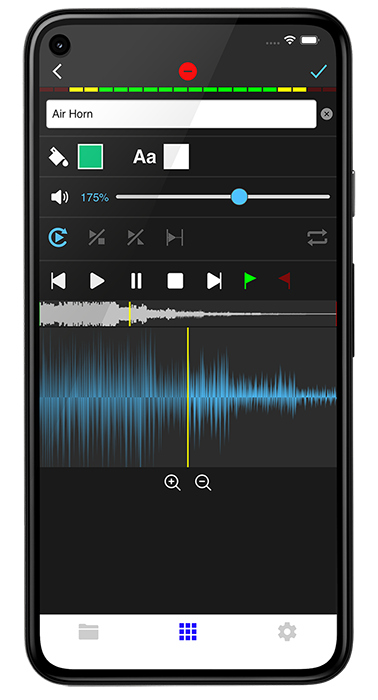
KueIt gives you the flexibility you need. Load your audio tracks to your profile and customize your layout. Trigger your drops, jingles, sound effects and songs instantly by the touch of your fingertips.
Enjoy your very own audio sampler app packed with amazing features
Our cloud covers different sound types including sound fx, voice tracks, beat loops, percussion & more!
* Cloud access is only offered for KueIt Mobile Pro Plan
users
* Pro Plan available via in-app purchase
KueIt was designed for the serious DJ, podcaster, producer, or broadcaster. The easy yet reliable performance of the KueIt soundboard app makes it perfect for podcasts, nightclubs, TV, live concerts, sporting events, school gymnasiums, and anywhere that quality music, jingles, or sound effects are needed. Don't compromise the outcome of your event or broadcast. Go with a DJ sampler app system that works... KueIt.
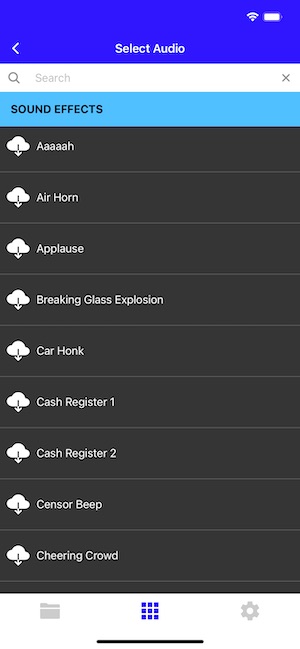
Easily add audio clips to your profile and play them with zero delay
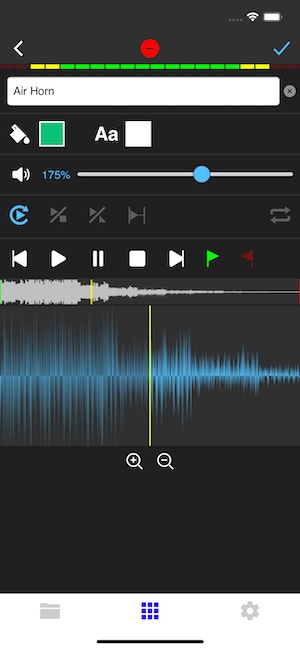
Edit name & volume. Set play mode, set up loops & start/end points via waveform
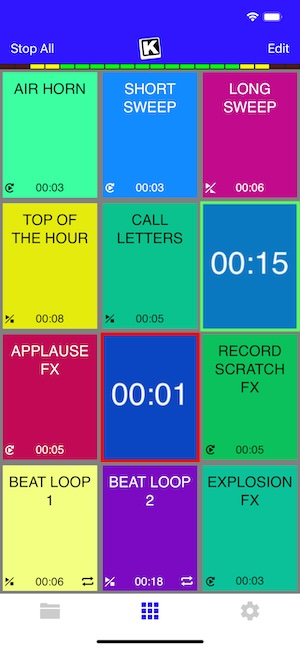
Instantly play your loaded audio clips at the touch of your fingertips
Get studio quality audio. KueIt also works with external soundcards
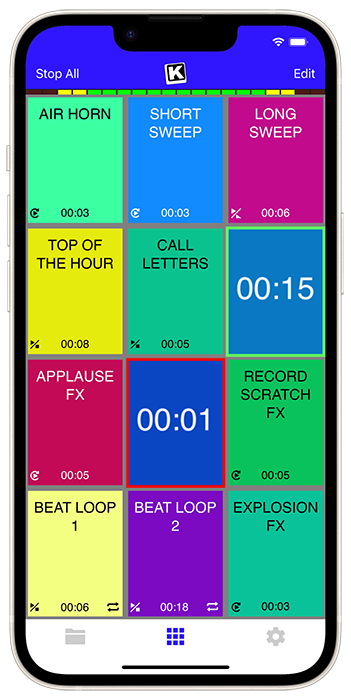
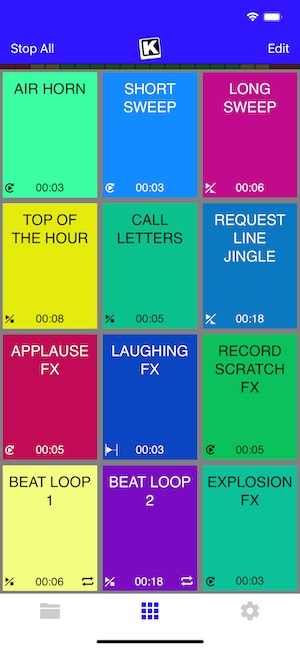
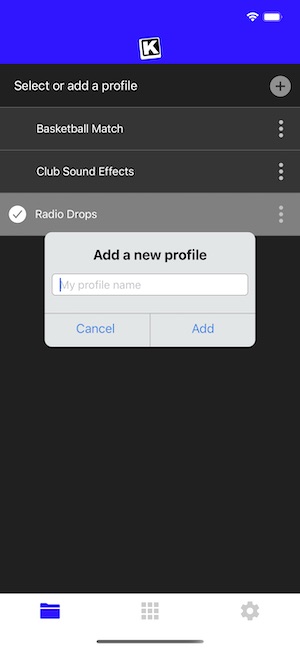
Create custom profiles in the audio sampler app and assign multiple audio clips for each profile
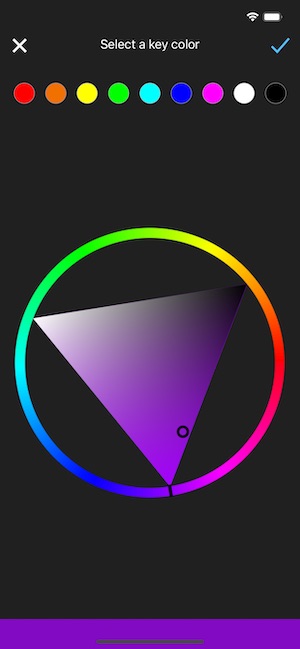
Set the pad color & font color of each pad
Use KueIt on macOS/Windows or iOS/Android phone or tablet
Backup your KueIt profiles via iCloud/Google Drive on mobile or via export on desktop

"KueIt allows DJs to step their game up. You can play like a radio DJ in front of a crowd, KueIt is one of the hottest programs to hit the market"

"KueIt made it easier for me to load up my sounds. No more instant replay"

"KueIt makes my life (DJing on the radio) easier, and it's extremely user friendly. After using it for only a few minutes, I felt comfortable enough to take it to the radio and get busy with it live on the air"
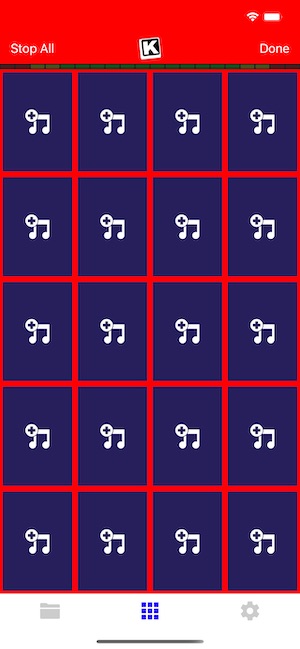
KueIt is designed to easily load, edit and customize your profiles. Once loaded, your pads are ready to be triggered instantly
The client sends a Read (RRQ) or Write (WRQ) request to the server on UDP port 69.
This guide will explore what a TFTP server is, how it differs from FTP, common use cases, and how to set one up. What is a TFTP Server? TFTP Server
: Used by bootloaders to load firmware or operating system images over a Local Area Network (LAN).
Because TFTP lacks authentication, it is inherently insecure. Anyone on the network who knows the IP address of the server can theoretically download any file stored in the TFTP directory. To mitigate these risks, follow these rules: The client sends a Read (RRQ) or Write
VoIP phones from Cisco, Avaya, or Polycom are dumb devices when powered on. They request an IP via DHCP, and the DHCP server tells them the IP of a . The phone then downloads SEP<MACADDRESS>.cnf.xml to register with the call manager.
Setting up a TFTP server is straightforward, but configuration choices affect performance and security. Below are examples for three popular platforms. : Used by bootloaders to load firmware or
The biggest complaint about TFTP is speed. The classic 512‑byte block size and stop‑and‑wait acknowledgment cause poor throughput over high‑latency links (e.g., WAN or satellite). Here’s how to optimize:
The file is broken into 512-byte blocks. The server sends a block, and the client must respond with an ACK packet containing the block number.
The client sends a Read (RRQ) or Write (WRQ) request to the server on UDP port 69.
This guide will explore what a TFTP server is, how it differs from FTP, common use cases, and how to set one up. What is a TFTP Server?
: Used by bootloaders to load firmware or operating system images over a Local Area Network (LAN).
Because TFTP lacks authentication, it is inherently insecure. Anyone on the network who knows the IP address of the server can theoretically download any file stored in the TFTP directory. To mitigate these risks, follow these rules:
VoIP phones from Cisco, Avaya, or Polycom are dumb devices when powered on. They request an IP via DHCP, and the DHCP server tells them the IP of a . The phone then downloads SEP<MACADDRESS>.cnf.xml to register with the call manager.
Setting up a TFTP server is straightforward, but configuration choices affect performance and security. Below are examples for three popular platforms.
The biggest complaint about TFTP is speed. The classic 512‑byte block size and stop‑and‑wait acknowledgment cause poor throughput over high‑latency links (e.g., WAN or satellite). Here’s how to optimize:
The file is broken into 512-byte blocks. The server sends a block, and the client must respond with an ACK packet containing the block number.