
RetroArch is a modular program that runs emulators and games within its framework as if they were 'plugins'.
These plugins are called 'cores', and you need to install them inside RetroArch to be able to use them.
These cores can also be used in other programs that implement the Libretro Application Programming Interface (API).
Both Libretro and RetroArch were made by the same developers, and RetroArch serves to demonstrate Libretro's power and scope.
🚀 Face Injector V3 is finally here! 🚀
Before downloading or deploying Face Injector V3, users must be aware of the inherent risks associated with public memory alteration tools:
#Modding #FaceInjector #GamingMods #V3 #Release
designed to insert custom code into running system processes while evading detection by user-mode anti-cheat systems . Originating from open-source experimental codebases on GitHub, such as Face-Injector-V3 , this tool is primarily studied by security researchers, game modders, and reverse engineers.
Traditional injectors operate entirely in "User Mode" (Ring 3), where anti-cheat software can hook APIs and monitor unauthorized memory modifications. Face Injector V3 uses a kernel-mode driver (Ring 0) or a vulnerable driver exploit (BYOVD - Bring Your Own Vulnerable Driver) to interact with process memory directly from the operating system's kernel. By operating at the kernel level, the injector bypasses User-Mode memory protections entirely. 2. Manual Mapping Over LoadLibrary
Even advanced AI fails. Here are common failure cases and fixes:
Face Injector V3 is a modified version of its predecessor, Face Injector V2. Its primary function is to , effectively running custom code within the memory space of that application. This version introduced several updates, including:
If you are trying to use Face Injector V3 on a compatible application but it still refuses to work, the issue usually stems from a few common system conflicts:
When using AI face-swapping technology, consent is non-negotiable. Furthermore, downloading and using tools from untrusted sources—like the "face-injector" repository or unverified "cracker utilities"—carries significant cybersecurity risks, from having your personal data stolen to having your machine turned into a zombie in a botnet.
RetroArch/Libretro has over 200 cores, and the list keeps expanding over time. These include game engines, games, multimedia programs and emulators.
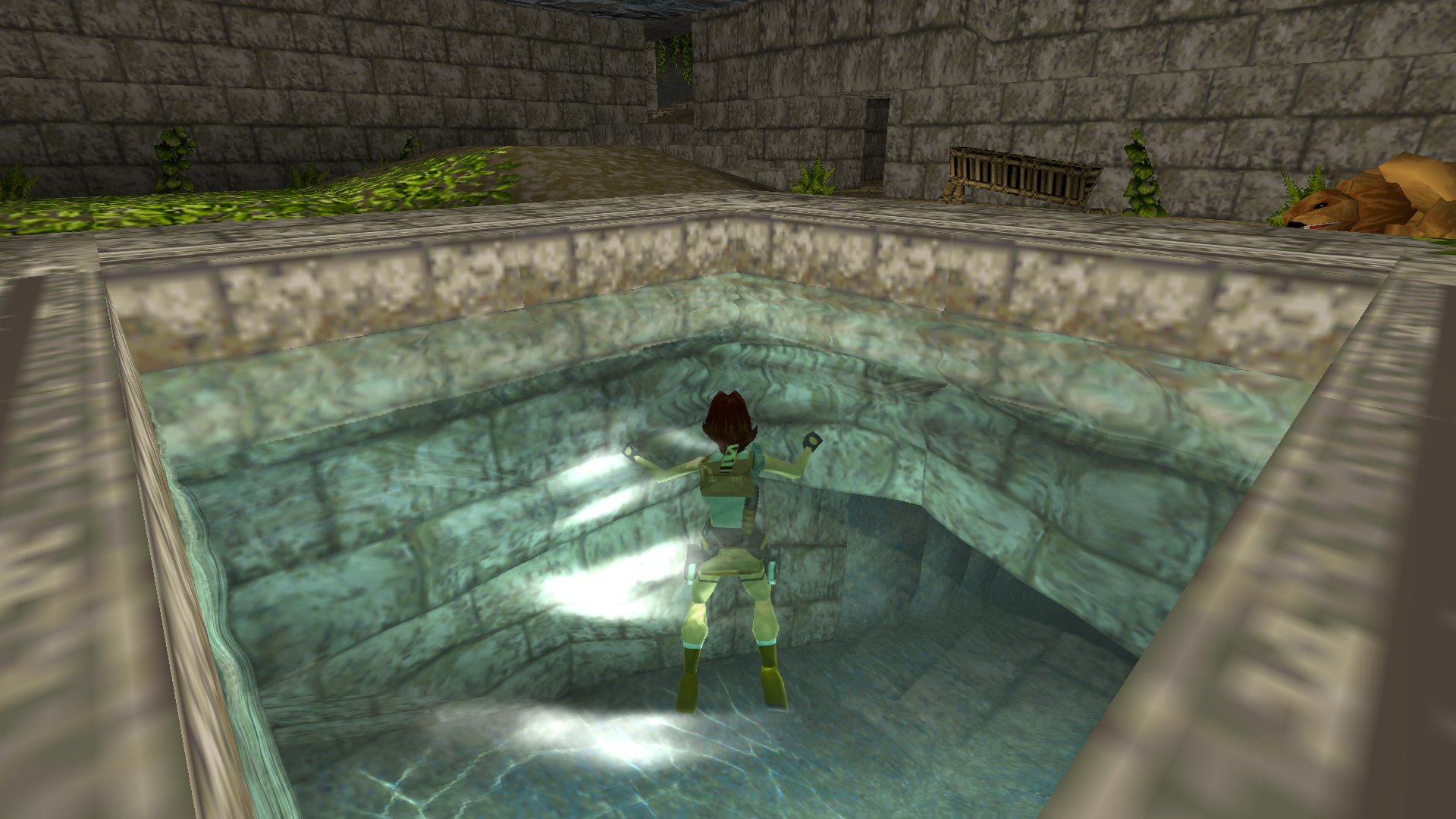
OpenLara is an early Tomb Raider game engine recreation.
Core available now for Windows/Linux.
For more information, read our article on this release here. face injector v3 work
It uses the original data files in order to work. What is nice about this one is that it has some very fancy graphics effects added on top of the old game engine without it resulting in any stylistic clashes.
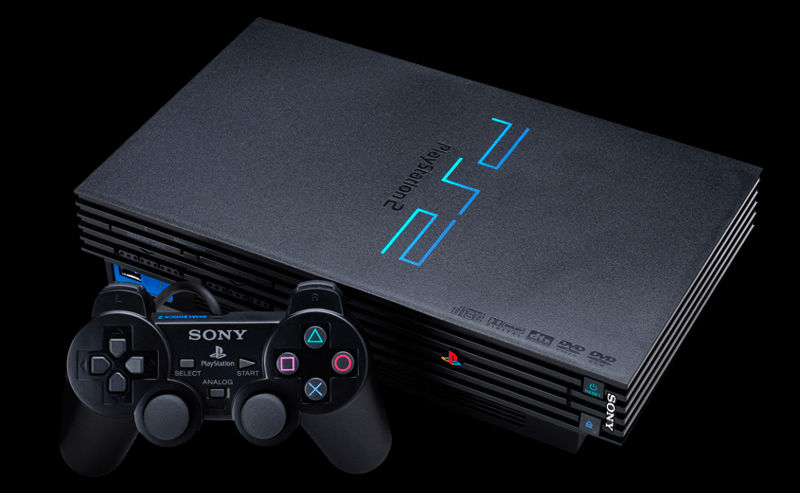
LRPS2 is a PlayStation2 emulator. It has a brand-new Vulkan-powered LLE renderer called ParaLLEl GS.
ParaLLEl-GS' goal is to be as accurate as software rendering but using the GPU instead of the CPU. Thanks to this we can also do enhancements which would be too slow to do on software, such as supersampled antialiasing and other enhancements. 🚀 Face Injector V3 is finally here
For more information, read our article on this release here.

DOSBox Pure is an easy-to-use plug and play version of DOSBox written specifically for Libretro/RetroArch. It supports MS-DOS and Windows 9x games. You can use savestates and even rewind. Automatic game detection with custom gamepad to keyboard mapping for many DOS games.
For more information, read our article on this release here. Traditional injectors operate entirely in "User Mode" (Ring
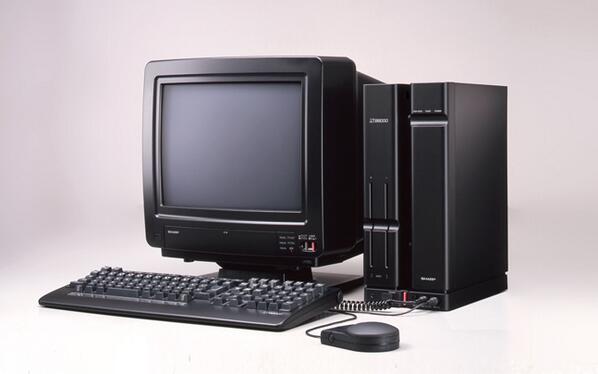
PX-68K is a Sharp X68000 emulator. This is a Japanese home computer from the late '80s/early '90s that was used by Capcom as devkits for their arcade games. It played host to many popular games from the likes of Namco, Konami and Capcom.
Core available now for Windows, macOS, Linux, Android and iOS.
For more information, read our article on this release here.
🚀 Face Injector V3 is finally here! 🚀
Before downloading or deploying Face Injector V3, users must be aware of the inherent risks associated with public memory alteration tools:
#Modding #FaceInjector #GamingMods #V3 #Release
designed to insert custom code into running system processes while evading detection by user-mode anti-cheat systems . Originating from open-source experimental codebases on GitHub, such as Face-Injector-V3 , this tool is primarily studied by security researchers, game modders, and reverse engineers.
Traditional injectors operate entirely in "User Mode" (Ring 3), where anti-cheat software can hook APIs and monitor unauthorized memory modifications. Face Injector V3 uses a kernel-mode driver (Ring 0) or a vulnerable driver exploit (BYOVD - Bring Your Own Vulnerable Driver) to interact with process memory directly from the operating system's kernel. By operating at the kernel level, the injector bypasses User-Mode memory protections entirely. 2. Manual Mapping Over LoadLibrary
Even advanced AI fails. Here are common failure cases and fixes:
Face Injector V3 is a modified version of its predecessor, Face Injector V2. Its primary function is to , effectively running custom code within the memory space of that application. This version introduced several updates, including:
If you are trying to use Face Injector V3 on a compatible application but it still refuses to work, the issue usually stems from a few common system conflicts:
When using AI face-swapping technology, consent is non-negotiable. Furthermore, downloading and using tools from untrusted sources—like the "face-injector" repository or unverified "cracker utilities"—carries significant cybersecurity risks, from having your personal data stolen to having your machine turned into a zombie in a botnet.